Essay · Public life
The quiet politics of personalisation
When every world is made especially for us.
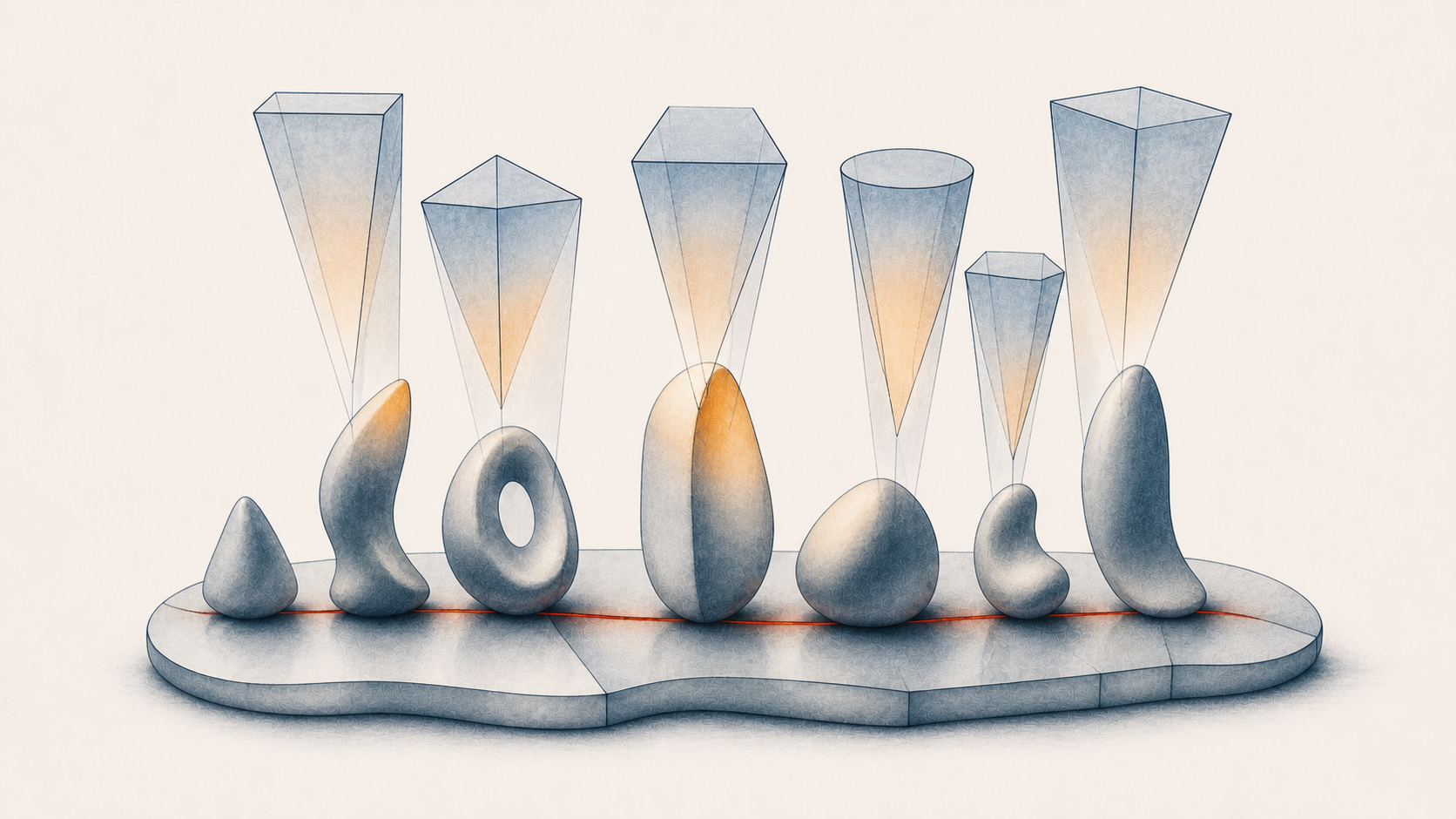
Personalisation begins as a kindness. It removes what does not interest us, remembers what we prefer, and brings useful things closer. The personalised system seems to say: your time matters.
Yet public life depends partly on experiences that were not designed for any one person. A newspaper front page, a town square, a classroom, and a broadcast schedule place different concerns beside one another. They create accidental encounters with what other people consider important.
A world made for each person
As AI begins to generate recommendations, explanations, stories, and interfaces for each individual, relevance may become nearly perfect. Two neighbours can ask the same question and receive accounts shaped around different values, vocabularies, and assumptions.
The erosion of shared reference
The larger risk is the erosion of shared reference. Democracy requires disagreement, but disagreement needs enough common material that people can recognise what they are disagreeing about.
Windows into the unpersonalised
A humane personalised system would therefore preserve windows into the unpersonalised world. It would sometimes show what is significant rather than merely what is engaging, explain why perspectives differ, and allow people to step outside the version of reality prepared for them.
A world beyond us
The public question of AI may be whether systems that know us intimately can still help us inhabit a world that does not revolve around us.